
Introduction
In today’s competitive business environment, organizations are constantly looking for ways to reduce costs, improve efficiency, and deliver higher quality. This is where Lean Six Sigma comes in.
Used by leading global companies, Lean Six Sigma is a powerful methodology that helps businesses eliminate waste, reduce errors, and optimize processes for better performance.
What is Lean Six Sigma?
Lean Six Sigma is a combination of two proven methodologies:
- Lean: Focuses on eliminating waste and improving process speed
- Six Sigma: Focuses on reducing defects and improving quality
Together, they create a structured approach to continuous improvement and operational excellence.
Key Principles of Lean Six Sigma
1. Focus on Customer Value
Everything starts with delivering value to the customer.
2. Identify and Eliminate Waste
Remove unnecessary steps that don’t add value.
3. Reduce Process Variation
Ensure consistency and minimize errors.
4. Continuous Improvement
Always look for ways to improve processes over time.
5. Data-Driven Decision Making
Use data and analysis instead of assumptions.
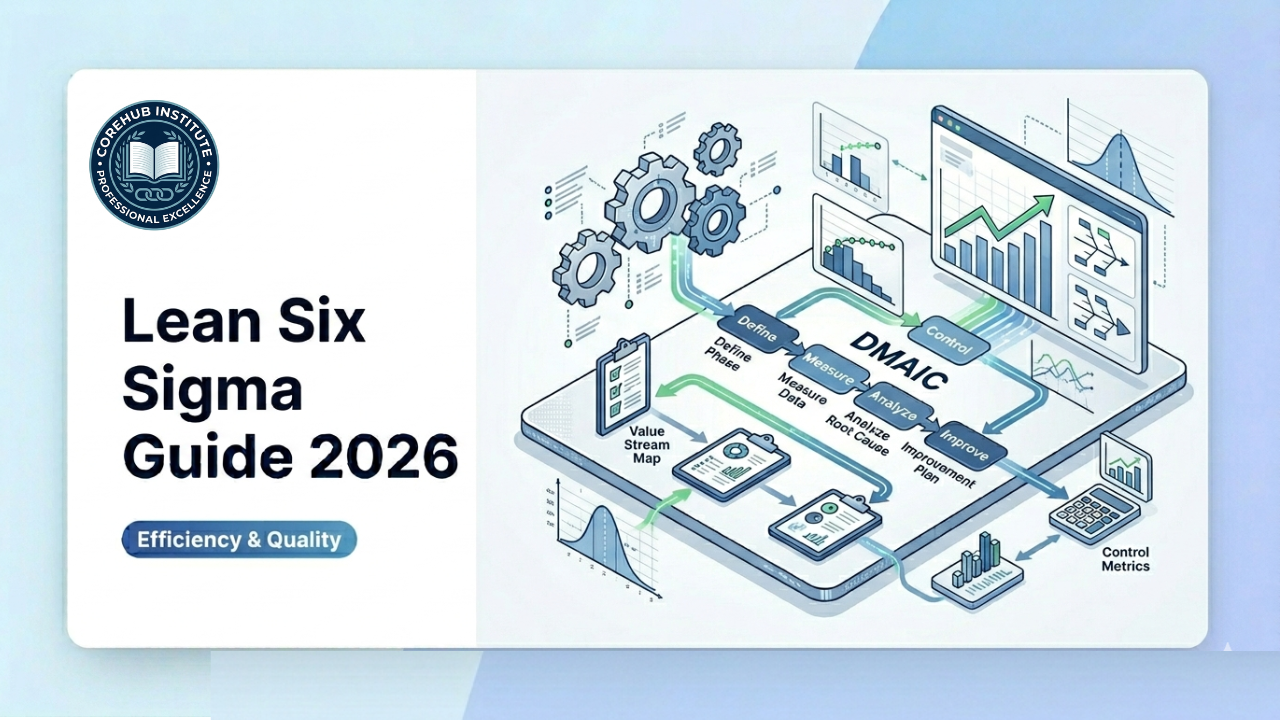
What is DMAIC?
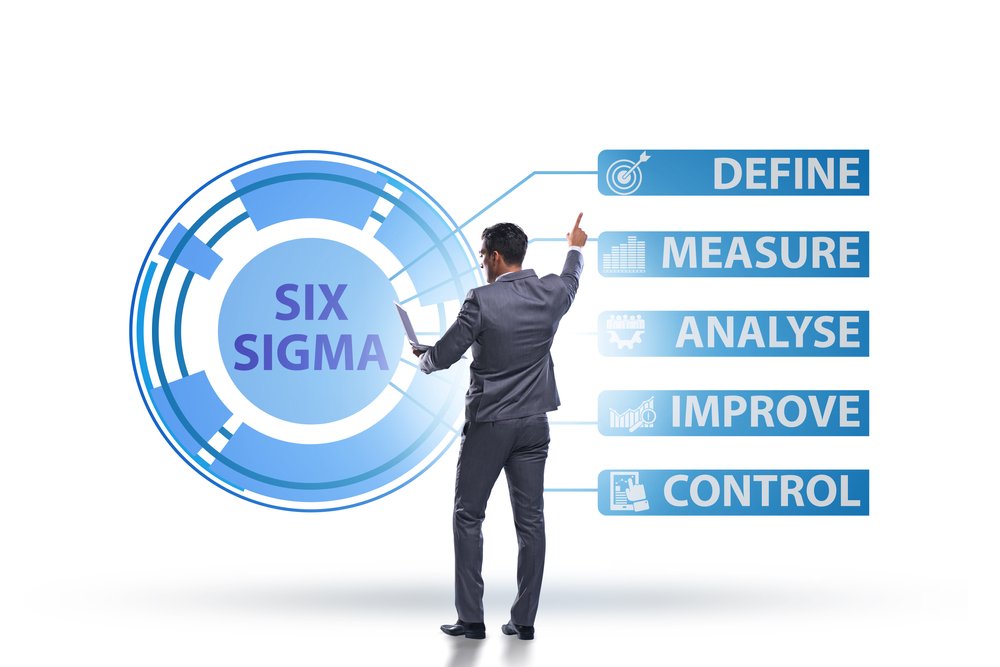
DMAIC is the core framework used in Lean Six Sigma:
- Define: Identify the problem
- Measure: Collect relevant data
- Analyze: Find the root cause
- Improve: Implement solutions
- Control: Maintain improvements over time
This structured approach ensures long-term success.
Benefits of Lean Six Sigma
- Improved efficiency and productivity
- Reduced operational costs
- Higher customer satisfaction
- Better decision-making using data
- Strong competitive advantage
Lean Six Sigma Belt Levels
Lean Six Sigma certifications are divided into levels:
- White Belt: Basic understanding
- Yellow Belt: Supports projects
- Green Belt: Leads small projects
- Black Belt: Leads complex projects
- Master Black Belt: Strategic leadership level
Each level represents deeper expertise and responsibility.
Industries That Use Lean Six Sigma
Lean Six Sigma is widely used across industries such as:
- Manufacturing
- Healthcare
- Logistics & Supply Chain
- Finance
- IT & Software
- Retail & E-commerce
Skills You Gain with Lean Six Sigma
- Problem-solving and analytical thinking
- Process improvement techniques
- Data analysis and interpretation
- Leadership and project management
- Quality control and risk management
Career Opportunities
Professionals with Lean Six Sigma skills are highly in demand. Popular roles include:
- Process Improvement Specialist
- Operations Manager
- Quality Manager
- Business Analyst
- Supply Chain Manager
How to Get Started with Lean Six Sigma
The best way to start is by enrolling in a professional Lean Six Sigma certification program that offers practical training and real-world application.
At CoreHub Institute, our programs are designed to help you gain hands-on experience and industry-relevant skills to accelerate your career.
Conclusion
Lean Six Sigma is more than just a methodology — it’s a mindset focused on continuous improvement and excellence.
Whether you want to grow in your current role or switch careers, mastering Lean Six Sigma can open doors to high-paying and impactful opportunities.
Ready to Upgrade Your Skills?
Take the next step and become a certified professional with CoreHub Institute.
👉 Enroll Now & Start Your Lean Six Sigma Journey